How we prepare athletes for full contact fights

Let’s be real: stepping into a ring for three rounds of two minutes sounds like a short commitment until someone is actively trying to take your head off. Full contact fighting isn’t just a sport; it’s a high-stakes puzzle solved under extreme physical and mental duress. We don’t start from zero. We assume our athletes are already “keen” kickboxers with a solid foundation. Our job is to take that raw skill and forge it into a weapon that can withstand the extreme pressure of a real fight. Here is how we bridge the gap between “decent” and “proficiently safe”.

The first step, a few words of caution

My conversation with any aspiring full contact fighter is to ensure they understand these basic concepts:

  • This is not going to be a walk in the park or even a marathon run where there is one winner and many participants. It will be you and your opponent in the ring and one of the two will be a winner
  • You are entering a sports competition where your opponent is trained and authorised to hurt you, within the regulations which are enforced by a referee
  • Our aim is to train you to win but, if you don’t make it, you will lose in a way that it will minimise your damages

Refining the arsenal: efficiency over flash

In a full-contact environment, every movement must have a purpose. We strip away the “fluff” and focus on the mechanics of single techniques. If a jab isn’t snapping or a round kick isn’t turning the hip over correctly, it’s wasted energy.

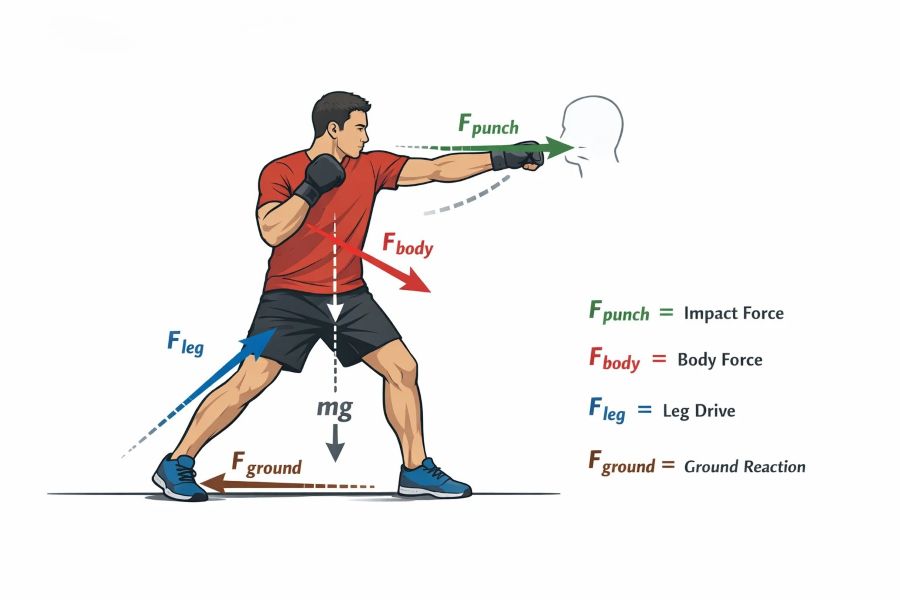
  • Maximum damage: we tweak body mechanics to ensure every strike carries the weight of the entire body, not just the limb
  • The “iron shield” guard: offense is great, but if your chin is in the air, the fight ends early. We drill “active defence,” ensuring that even while attacking, the opposite hand is glued to the jaw and the shoulders are tucked

The science of the combination

Throwing a single punch is easy. Throwing a four-strike combination that leaves you protected and ready to counter is an art form. We train our fighters to deliver sequences that flow naturally and exploit the opponent’s defensive reactions. We consider these different aspects of the action:

  • Flow: Eliminating the “reset” pause between a punch and a kick during a combination to improve speed of any combination
  • Angle cutting: moving off the centreline during the combination and keeping a tight guard at all times to avoid counter attacks
  • Damage density: ensuring that every punch or kick in a combination delivers damage the final (exit) strike is the most powerful

Power, meet volume

It’s one thing to hit a heavy bag hard once. It’s another to maintain that “knockout power” in the final thirty seconds of the third round when your lungs are screaming.

We push our athletes through high intensity interval drills that mimic the rhythm of a fight: explosive bursts followed by active recovery. The goal is simple: be able to hit harder than ever before and keep doing it for as long as the referee allows.

The mental fortress: concentration under fire

The biggest challenge in full contact isn’t the pain—it’s the panic. When fatigue sets in, the first thing to go is the mind. You lose your “eyes,” you stop seeing the openings, and you forget your guard. We use pressure testing to build mental resilience. By the time our fighters step into the ring, they have already been in deep water during training. They’ve learned to keep their focus sharp and their breathing steady, even when the pressure is beyond what most people expect.

The payoff: why we do it

Training for full contact is, frankly, exhausting and occasionally painful. But it pays dividends that few other experiences can match.

  1. Minimized damage: proper preparation is the best insurance policy against injury
  2. Unshakeable assurance: knowing you have the “gas in the tank” and the skills to handle a hostile opponent provides a level of self-confidence that carries over into every aspect of life
  3. The satisfaction of the grind: there is a unique pride in knowing you didn’t take the easy road.

Reach your peak of performance: why American kickboxing is the ultimate modern martial art

In a world filled with countless fitness trends and combat styles, American kickboxing stands out as a “Goldilocks” discipline: it perfectly balances the refined technique of traditional martial arts with the raw intensity of modern fighting sports.  At CARISMA, we have seen firsthand how this sport serves as a powerful catalyst for personal growth, whether you are a child finding your feet or an adult looking to reclaim your edge. Here is why American kickboxing is a sport everyone should experience.

A Masterclass in Physical Versatility

Most sports specialize in one area—distance running for stamina, weightlifting for strength, or yoga for flexibility. American kickboxing demands all of them.

  • Agility & Reflexes: The fast-paced nature of the sport sharpens your “fight-or-flight” response, turning it into calculated “read-and-react” precision.
  • Total Body Strength: From the rotational power of a cross punch to the explosive drive of a roundhouse kick, every muscle group is engaged.
  • Dynamic Flexibility: High kicks aren’t just about looking spectacular; they require and develop incredible range of motion in the hips and core, which protects the body against injury in everyday life.

Building “The Resilience Muscle”

Life is unpredictable, and American Kickboxing is the perfect training ground for handling pressure. In the gym, you learn to keep your guard up when you’re tired and stay focused when things get difficult. This translates directly into mental resilience. For adults, it is the ultimate stress-reliever—a place where the frustrations of the workday are channelled into the punching bag or a fully padded training partner who can help you with training. You don’t just leave the gym fitter; you leave it calmer and more capable of handling life’s challenges.

From Children to Confident Adults

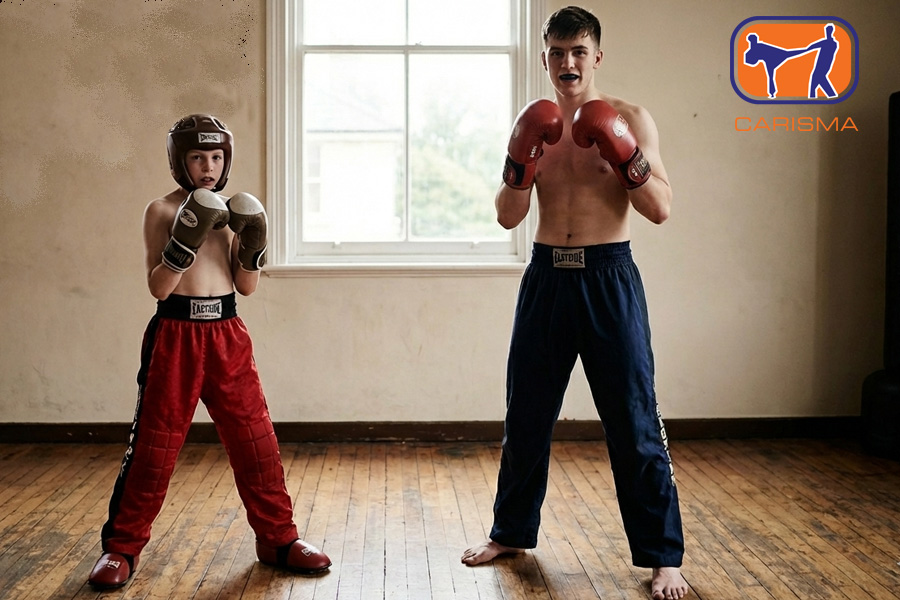
For younger practitioners, we accept children from 12 years of age, the benefits go far beyond the physical. The American kickboxing we teach at CARISMA provides a structured, disciplined environment where children learn the value of discipline, respect and hard work while having fun.

  • Self-Confidence: There is a unique kind of confidence that comes from knowing you can defend yourself. This isn’t about aggression; it’s about the quiet “inner warrior” that allows a child to stand tall against bullying and peer pressure.
  • Development: It turns “fidgety” energy into focused coordination, teaching children how to set goals and work toward them through grading and technique mastery.

The Spectacular “Art” in Martial Arts

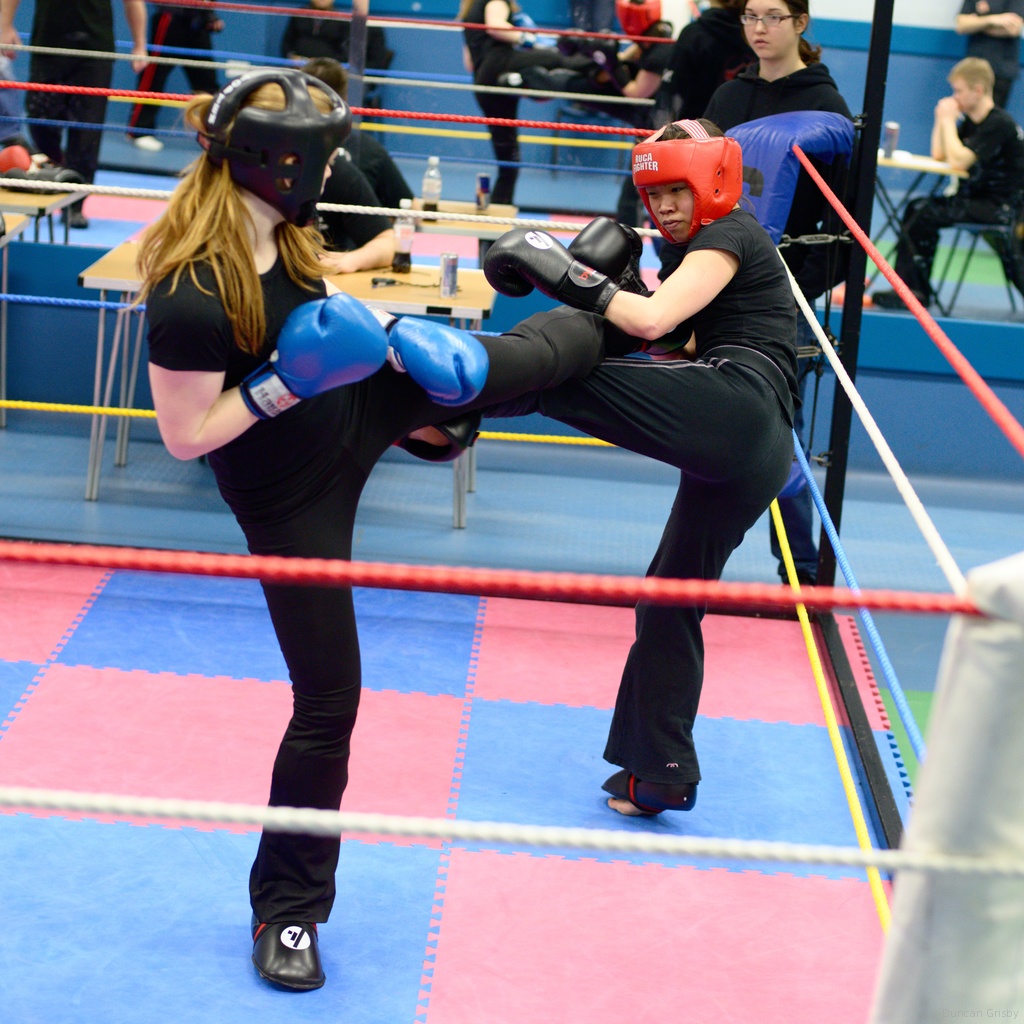
There is no denying it: American kickboxing is spectacular to watch and even more exhilarating to practice. The “blitzing” movements, the combination of Western boxing hands and Eastern martial arts kicks, and the fluid movement across the mats make it one of the most dynamic sports in existence. It is never boring. Every session is a new puzzle to solve, a new combination to master, and a new level of fitness to unlock. While many clubs limit their practice to a few combinations which use 2-3 punches and a couple of kicks at CARISMA we practice the full spectrum of punches and kicks plus combinations which include multiple kicks with one leg.

A Safe, Inclusive Community

At CARISMA, we believe that while the sport is rooted in combat, the environment should be supportive. We specialize in making the art accessible to everyone—from college and university students and busy professionals to local residents of every gender. Our focus on controlled training ensures that you can push your limits and build amazing skills without the high risk of injury found in less-structured environments. We encourage everyone to push themselves beyond their comfort zone, without risking to be overwhelmed or putting their safety at risk. Anyone interested in competing and prepared to put the hours in will be given access to opportunities of fighting in both light and full contact bouts.

Why Starting Now?

Whether you are looking for a way to get into the best shape of your life, seeking a discipline that builds character in your children, or simply wanting to learn a practical and effective self-defence system in Cambridge, American kickboxing is the answer. It is a sport that gives back exactly what you put in: strength, agility, and a level of self-confidence that will stay with you long after you’ve stepped off the mats.

My responsibilities as a coach

Copyright and courtesy of Duncan Grisby 2017While I am listening to feedback and suggestions about how I teach martial arts I have been keeping the core of my style and approach unchanged for years.  By teaching martial arts and fighting techniques I am empowering my students to defend themselves and to become better people but, with power, come responsibility which I take very serious.

Here are a few key points which are the pillars on which I base my teaching:

Learning martial arts takes time and dedication

If you had the illusion of becoming proficient in martial arts within a few weeks or months you took up the wrong activity.  Nowadays most people train martial arts as an alternative to other sports or hobbies and they want fast results.  Learning martial arts should however be seen as a medium to long time project, where some results can be seen within months but decent proficiency comes after a few years of regular and frequent attendance (e.g. 2+ 60-120 minutes lessons per week).  My responsibility in this case is about creating an environment which fosters dedicated training and cooperation among all members of the club and continuously challenges everybody’s skills and performance, including mine.

Learning martial arts helps you to rationalise the irrational

In its most essential form fighting is about survival; when our ancestors got involved in a fight it was about defending their homes and families from invaders or from fierce animals or perhaps about invading other people’s territories; it was no game and it was about life and death.  Most people react irrationally to a fighting situation because when adrenaline is released, even in a controlled environment like a martial arts gym, it causes some people to lose control.  Training martial arts helps to cope with this irrational feeling and channel the energy toward better physical and mental performance.  My responsibility in this case is about encouraging everybody to challenge themselves and understand where their threshold and comfort zone are and push them further.

Tough training helps to cope with tough situations

Whether you are training for sports fights or for self-defence it’s essential to test yourself toward a range of tough situations.  In a sports fight your opponents will try their best to beat you within the rules of the fight, sometimes trying to bend such rules for their advantage.  If you find yourself on the street and need to use your self-defence skills you better be used to tough attacks, the most unpredictable ones; your street opponents will probably have no rules about fighting and potentially go for the nastiest attacks.  Here is where my responsibility is about reminding people about their limits and potential pitfalls in their skills and techniques.  I am trying to help them to train in a way that pushes their skills beyond their current limits and make them better fighters.

Martial arts can be for everyone but they are not

Training martial arts is in my opinion one of the most satisfying and complete form of exercise for body and mind.  Many people start and nearly as many give up with days, weeks or months.  Many novices cannot cope with the learning, complexity of movements, fitness requirements and so on.  It takes time, consistency and dedication which most people simply don’t have.  I encourage most people to try and, depending on a number of factors, I might push them more or less toward a tougher training, sooner or later.  In my experience of practicing martial arts for nearly 40 years and teaching for the good part of 30 years I met super talented people giving up at their first hurdle, which they never expected to happen.  I have also seen many not talented people becoming great martial artist and champions.  My responsibility in this case is about managing their expectations and feedback, in the most constructive and objective way, how they can improve and what they should do.

What I learnt from teaching martial arts

Picture Copyright Duncan Grisby 2010There is an old saying that goes: “if you can’t do teach”; for me teaching has actually improved my doing.  In fact my knowledge about martial arts practice has dramatically improved since I started teaching.  When I first learnt martial arts I was in my early teens; I remember struggling initially with coordination and fitness but, with continuous and consistent training, I reached a good standard within months.  By all means my technique and proficiency kept improving for years; as most movements and techniques were quite natural for me, I never had to analyse too hard how I was doing things.

Years later, when I started teaching, I realised that people from all walks of life were approaching martial arts and, as it happens, some of them were terrific, some hopeless and the majority in the middle.  By teaching martial arts to people who are not naturally talented and/or fit and/or coordinated I realised that many of them require much more explanation than showing the technique a few times and hoping they learn it.  Many people need the technique to be deconstructed and explained; in same cases a clear description of the muscles involved is necessary to fully achieve the expected result.  By analysing each technique in detail, including what muscle groups are working how and when, I forced my mind to grasp every single aspect of each movement and by improving my awareness about them it has greatly improved my technique.

Hello 2017, good bye 2016

Happy new year to everyone; 2017 starts with its first lesson today, 3 January, keeping our regular schedule of 4 lessons per week for the next 51 weeks.

We are already planning our usual Town vs. Gown fight in February where members of all clubs we are training (CARISMA, CUKBS and ARUKBC) will fight members of the other clubs.  This is a great opportunity for all beginners to have a go at sport fighting in a friendly and controlled environment, before trying other tournaments.  Later in the year several members of the club will take part in various regional fights, both light and full contact.  CUKBS will be fighting Varsity in Oxford this year and their training regime has been under tight control since the beginning of Michaelmas term in October.

As usual we will be having 4 grading sessions in March, June, September and December.  On the second Saturday of June we’ll have the annual CARISMA BBQ and on the first Sunday in December, after grading, we’ll have the Christmas dinner.  These events are already on the club’s calendar for your perusal.

As our aim is keeping a critical mass of at least 60 paying members at any given time we will be recruiting beginners any time we need more members but pausing when membership is in line with our expectations.  Our first beginners’ course for the year will start on 19 January and, as usual listed on our calendar.

2016 was another good year for CARISMA, with a large number of new interesting people who joined us, and classes consistently larger than previous years.  We found ourselves with a reduced percentage of undergrads students, from both University of Cambridge and Anglia Ruskin; good news is that we replaced them with high school and post grad students as well as young professionals both male and female.  This change has increased the retention of our members and the consistency of their attendance as undergrads students are around for about 6 months per year and their attendance tends to be not as regular as we would like.

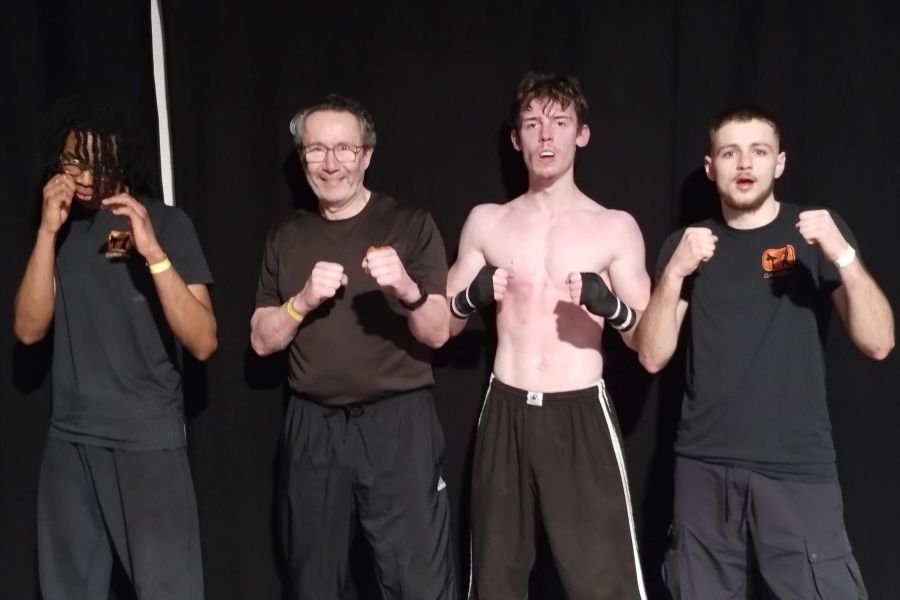
An individual achievement which is definitively worth mentioning is Meitar Blumenfeld as our first winner for a full contact fight; it has to be said that our whole full contact team to date had a total of 4 people, over a long period of time.

For a number of personal reasons we lost, within a short time, 3 of our instructors; fortunately we were working, in the meantime, to train some of our most promising senior students to be their replacement so it all happened smoothly and according to plans.

Whether you are a regular member or a casual reader interested in joining us we hope to see you soon and looking forward to train with you during 2017.