

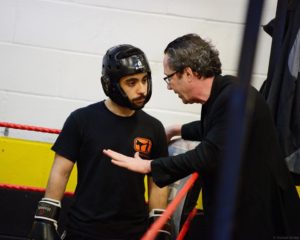
 While I am listening to feedback and suggestions about how I teach martial arts I have been keeping the core of my style and approach unchanged for years. By teaching martial arts and fighting techniques I am empowering my students to defend themselves and to become better people but, with power, come responsibility which I take very serious.
Here are a few key points which are the pillars on which I base my teaching:
Learning martial arts takes time and dedication
If you had the illusion of becoming proficient in martial arts within a few weeks or months you took up the wrong activity. Nowadays most people train martial arts as an alternative to other sports or hobbies and they want fast results. Learning martial arts should however be seen as a medium to long time project, where some results can be seen within months but decent proficiency comes after a few years of regular and frequent attendance (e.g. 2+ 60-120 minutes lessons per week). My responsibility in this case is about creating an environment which fosters dedicated training and cooperation among all members of the club and continuously challenges everybody’s skills and performance, including mine.
Learning martial arts helps you to rationalise the irrational
In its most essential form fighting is about survival; when our ancestors got involved in a fight it was about defending their homes and families from invaders or from fierce animals or perhaps about invading other people’s territories; it was no game and it was about life and death. Most people react irrationally to a fighting situation because when adrenaline is released, even in a controlled environment like a martial arts gym, it causes some people to lose control. Training martial arts helps to cope with this irrational feeling and channel the energy toward better physical and mental performance. My responsibility in this case is about encouraging everybody to challenge themselves and understand where their threshold and comfort zone are and push them further.
Tough training helps to cope with tough situations
Whether you are training for sports fights or for self-defence it’s essential to test yourself toward a range of tough situations. In a sports fight your opponents will try their best to beat you within the rules of the fight, sometimes trying to bend such rules for their advantage. If you find yourself on the street and need to use your self-defence skills you better be used to tough attacks, the most unpredictable ones; your street opponents will probably have no rules about fighting and potentially go for the nastiest attacks. Here is where my responsibility is about reminding people about their limits and potential pitfalls in their skills and techniques. I am trying to help them to train in a way that pushes their skills beyond their current limits and make them better fighters.
Martial arts can be for everyone but they are not
Training martial arts is in my opinion one of the most satisfying and complete form of exercise for body and mind. Many people start and nearly as many give up with days, weeks or months. Many novices cannot cope with the learning, complexity of movements, fitness requirements and so on. It takes time, consistency and dedication which most people simply don’t have. I encourage most people to try and, depending on a number of factors, I might push them more or less toward a tougher training, sooner or later. In my experience of practicing martial arts for nearly 40 years and teaching for the good part of 30 years I met super talented people giving up at their first hurdle, which they never expected to happen. I have also seen many not talented people becoming great martial artist and champions. My responsibility in this case is about managing their expectations and feedback, in the most constructive and objective way, how they can improve and what they should do.
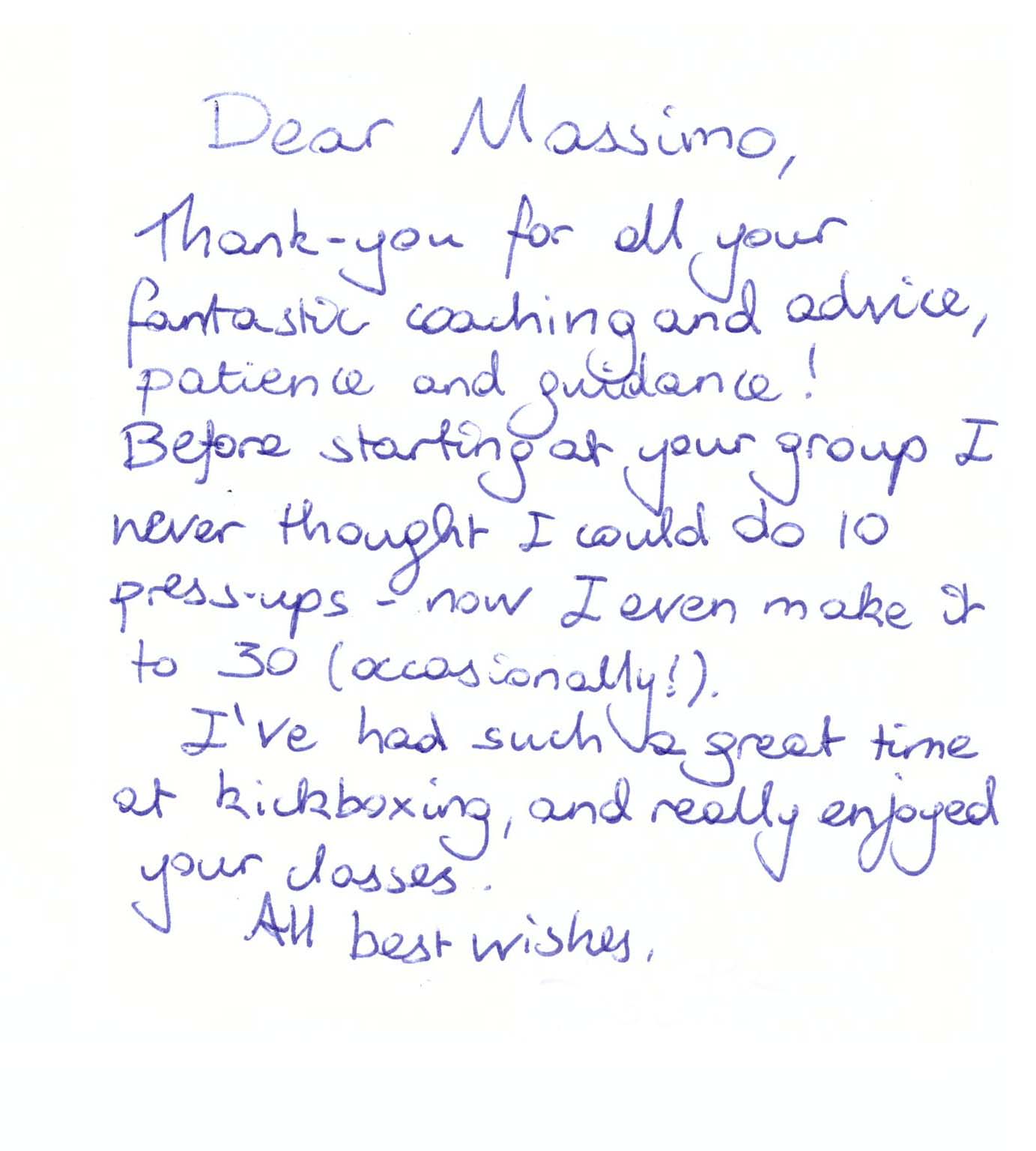
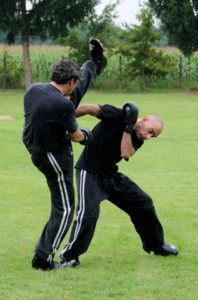 There is an old saying that goes: “if you can’t do teach”; for me teaching has actually improved my doing. In fact my knowledge about martial arts practice has dramatically improved since I started teaching. When I first learnt martial arts I was in my early teens; I remember struggling initially with coordination and fitness but, with continuous and consistent training, I reached a good standard within months. By all means my technique and proficiency kept improving for years; as most movements and techniques were quite natural for me, I never had to analyse too hard how I was doing things.